
Ensuring Equal Access to Healthcare
Healthcare is a basic necessity, yet many vulnerable communities still struggle to access proper medical services. Elderly individuals, low-income families, people with disabilities, and those living in remote areas often face challenges such as limited transportation, lack of awareness, and financial difficulties. Providing accessible healthcare support helps improve lives and ensures no one is left behind.
Importance of Community Healthcare Services
Community healthcare programs play a major role in supporting vulnerable populations. Mobile clinics, home healthcare services, and local health camps provide medical assistance to people who cannot easily access hospitals. These services provide regular checkups, vaccinations, and preventive care, helping individuals maintain better health and avoid serious medical conditions.
Role of Caregivers and Medical Professionals
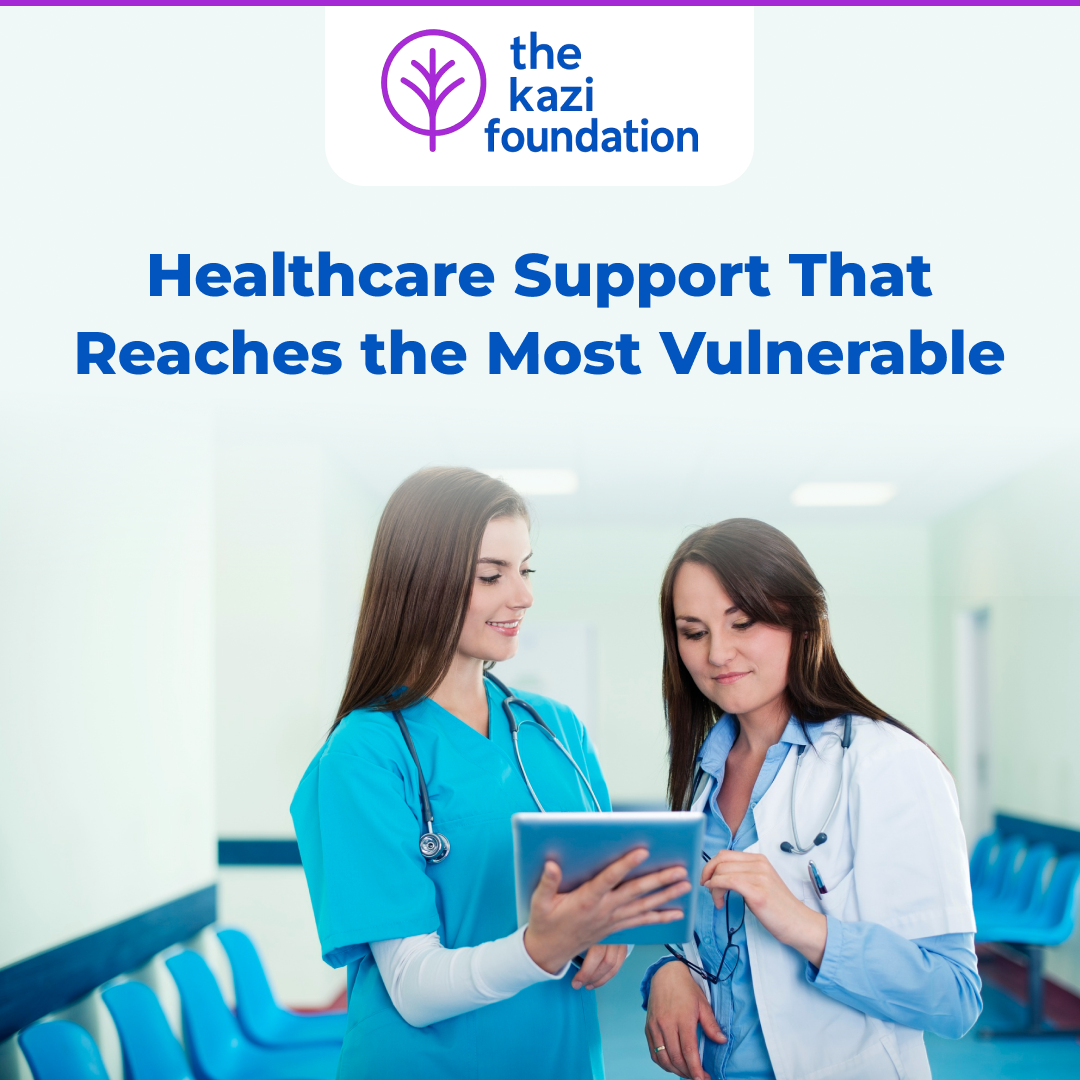
Compassionate caregivers and dedicated healthcare professionals help create a strong support system for vulnerable individuals. They not only provide treatment but also offer emotional support, health education, and guidance for managing daily health needs. Personalized care improves confidence, comfort, and overall well-being for patients and their families.
Technology Improving Healthcare Reach
Technology has transformed healthcare accessibility in recent years. Telemedicine, online consultations, and digital health monitoring allow patients to receive medical advice from home. These solutions are especially valuable for seniors and people living in rural areas where healthcare facilities may be limited.
Building a Healthier and More Inclusive Society
Healthcare support that reaches vulnerable communities creates a healthier and more compassionate society. By improving access to medical care, spreading awareness, and offering continuous support, communities can help individuals live safer, healthier, and more dignified lives.

Comments are closed